


in teh vibrant tapestry of filipino cuisine, few dishes capture the heart and history of the islands quiet like Chicken Adobo.More than just a meal, adobo is a flavorful journey-an exquisite blend of tangy, savory, and subtly sweet notes that tell stories of tradition, family, and time-honored cooking techniques. If you’ve ever wondered what makes this humble dish a beloved national treasure, it’s time to uncover the secrets behind the true flavor of authentic Filipino Chicken Adobo.Join us as we explore the origins, ingredients, and step-by-step process that bring this iconic dish to life, inviting your taste buds to experience a genuine taste of the Philippines.
Discover the True Flavor: Authentic Filipino chicken Adobo Recipe
Discover the true flavor of the Philippines through one of its most beloved dishes, Chicken Adobo. This timeless classic embodies centuries of cultural evolution, blending indigenous and colonial influences into a savory symphony that’s both comforting and bold. Whether you’ve tasted a humble home-cooked version or a chef’s elevated plate, mastering the balance of vinegar, soy, and spice in chicken adobo will elevate your culinary skills and bring the warmth of Filipino hospitality right into your kitchen.
Origins and Cultural Importance
Chicken Adobo is more than just a recipe-it’s a Filipino cultural emblem. rooted in pre-colonial preservation techniques, the method of marinating meat in vinegar and salt was practical for tropical climates.When Spanish colonizers arrived in the 16th century, the dish evolved, merging local ingredients such as native vinegar and garlic with soy sauce introduced by Chinese traders. Today, adobo is ubiquitous at Filipino tables, celebrated for its versatility and unfailing heartiness. Each family’s recipe carries subtle nuances, frequently enough passed down through generations, reflecting a personal connection to this cherished staple.
Prep and Cook Time
- Readiness: 15 minutes
- Marinating Time: 1 hour (optional for deeper flavor)
- Cooking Time: 45 minutes
- Total Time: Approximately 2 hours
Yield
Serves 4 hearty portions
Difficulty Level
Easy to Medium – approachable for home cooks but rewarding in its depth of flavor
Ingredients
- 2 lbs chicken thighs and drumsticks, bone-in, skin-on for best flavor
- 1/2 cup soy sauce, naturally brewed for authenticity
- 1/2 cup cane vinegar or white vinegar, unflavored
- 6 cloves garlic, peeled and crushed
- 1 large onion, thinly sliced
- 2 bay leaves
- 1 tbsp whole black peppercorns, lightly crushed
- 1 tbsp brown sugar (optional, balances acidity)
- 1 cup water
- 2 tbsp cooking oil (vegetable or coconut oil preferred)
- Salt to taste
Instructions
- Marinate the chicken: In a large bowl, combine the chicken pieces with soy sauce, crushed garlic, and bay leaves. Cover and marinate for at least 1 hour or overnight in the refrigerator for deeper flavor infusion.
- Sear the chicken: Heat cooking oil in a large skillet or heavy-bottomed pot over medium-high heat. Remove chicken from marinade (reserve marinade) and sear skin-side down until golden brown, about 5 minutes. Flip and brown the other side briefly. This step enhances texture and aroma.
- Sauté aromatics: In the same pot, reduce heat to medium. Add sliced onions and sauté until translucent and fragrant, about 3 minutes.
- Simmer the adobo: Return the chicken to the pot, pour in the reserved marinade, vinegar, water, peppercorns, and brown sugar. Do not stir promptly after adding vinegar to allow its sharpness to mellow. Bring to a gentle boil, then lower heat, cover, and simmer for 30-40 minutes until chicken is tender and sauce has reduced slightly.
- Adjust seasoning: Taste the sauce and season with salt or additional soy sauce if needed. For a thicker glaze, uncover and simmer for an extra 5-10 minutes, stirring occasionally.
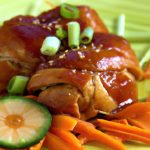
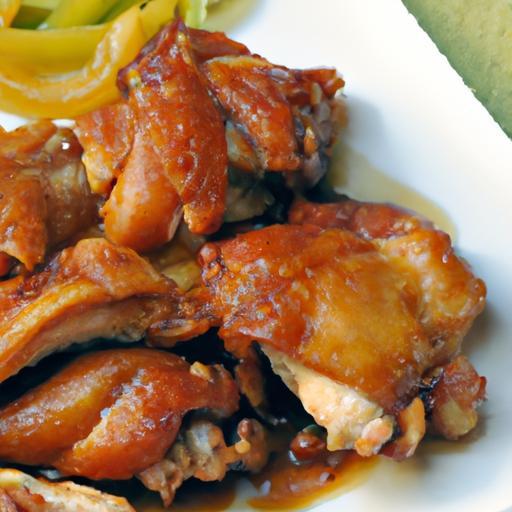
- Finish and serve: Remove bay leaves. Transfer to a serving dish, garnish with chopped fresh scallions or fried garlic for a crunchy contrast. Serve immediately with steamed jasmine or Filipino garlic rice.
Tips for Success
- Ingredient substitutions: For a milder vinegar taste, use apple cider vinegar or coconut vinegar. If soy sauce isn’t available, tamari can work as a gluten-free option.
- Marinating: Marinate overnight for a deeper, more harmonious flavor where chicken absorbs the sauce wholly.
- Chicken cuts: Using bone-in, skin-on pieces helps retain moisture and creates a richer sauce due to natural fats rendered during cooking.
- Balancing flavors: The key to authentic Chicken Adobo lies in balancing the tangy vinegar, the saltiness of soy, and a subtle hint of sweetness. Adjust sugar and vinegar incrementally.
- Make ahead: Chicken Adobo tastes even better the next day as flavors develop further. Reheat gently over low heat to preserve texture.
- Serving tip: Don’t discard the mouthwatering sauce-use it as a dipping sauce or drizzle over rice to capture every drop of flavor.
Serving Suggestions
Plate the chicken with steaming hot garlic rice or plain jasmine rice to soak up its rich adobo sauce. Garnish with crisp fried garlic, sliced scallions, or fresh red chili slices for a pop of color and mild heat. Pair with simple vegetable sides like sautéed greens or pickled papaya (atchara) to balance the robust tang of the dish. A cold calamansi or lemon wedge on the side invites a fresh twist just before each bite.
| Nutritional Information (per serving) | Amount |
|---|---|
| Calories | 360 kcal |
| Protein | 32 g |
| Carbohydrates | 8 g |
| Fat | 18 g |
Learn more about the rich history of Chicken Adobo on Serious Eats.
For more filipino classics that explore tangy and hearty flavors, see our Filipino recipe collection.

Q&A
Q&A: Discover the True Flavor: Authentic Filipino Chicken adobo Recipe
Q1: What makes Chicken Adobo an iconic Filipino dish?
A: chicken Adobo is often hailed as the unofficial national dish of the Philippines, beloved for its rich history and irresistible taste. Its signature tangy, savory, and slightly sweet flavor comes from a simple yet powerful blend of vinegar, soy sauce, garlic, bay leaves, and peppercorns. The magic lies in the slow simmering process,which tenderizes the chicken and infuses it with deep,layered flavors-making every bite a warm embrace of Filipino culture.
Q2: What ingredients are essential for an authentic Chicken Adobo?
A: Authenticity starts with the basics: bone-in chicken pieces, Filipino cane vinegar (or any white vinegar if unavailable), soy sauce, plenty of crushed garlic, dried bay leaves, whole black peppercorns, and a touch of salt and sugar to balance. The beauty of Adobo is its simplicity, which allows each ingredient to shine without overpowering the dish.
Q3: Can the recipe be customized without losing its authenticity?
A: Absolutely! While the core ingredients remain constant, regional and familial variations are part of the Adobo story. Some prefer adding coconut milk for a creamier sauce,whole boiled eggs for added texture,or potatoes for heartiness. Just remember, the soul of adobo is the interplay of vinegar and soy sauce, so keep that balance intact to honor tradition.
Q4: How do you achieve the perfect texture and flavor in Chicken Adobo?
A: Slow and steady is the secret. marinating the chicken for at least 30 minutes allows the flavors to seep in. Then, simmering gently over low heat helps the chicken become tender and the sauce to reduce to a luscious glaze. Resist the urge to rush-patience unlocks the authentic depth of flavor and that signature velvety sauce.
Q5: What are some tips for serving Chicken Adobo authentically?
A: Serve your Adobo steaming hot alongside fluffy white jasmine or garlic fried rice-the perfect canvas to soak up the savory sauce.It’s often enjoyed as a family-style meal, paired with side dishes like pickled vegetables (atchara) or a fresh tomato and onion salad to cut through the richness. For an authentic experience, don’t skip the communal sharing-Adobo is as much about connection as it is about flavor.
Q6: Why should food lovers try making Chicken Adobo at home?
A: Beyond its delicious taste, making Chicken Adobo is a cultural journey-a delicious way to connect with filipino heritage and culinary traditions. It’s a humble dish that transforms simple pantry staples into a comforting feast. Plus, mastering this recipe opens the door to exploring other vibrant Filipino flavors and dishes, enriching your cooking repertoire with every simmer.
Closing Remarks
As the rich aroma of simmering vinegar, soy, and garlic fills your kitchen, you’re not just cooking a dish-you’re savoring centuries of Filipino heritage in every tender bite. This authentic chicken adobo recipe invites you to discover the true flavor that has captivated palates across the globe. Whether shared around a family table or enjoyed as a comforting solo meal, adobo is more than food-it’s a story, a tradition, a taste of the Philippines waiting to be explored. So go ahead,embrace the soulful simplicity of this classic,and let each serving connect you to a vibrant culture steeped in flavor and heart.