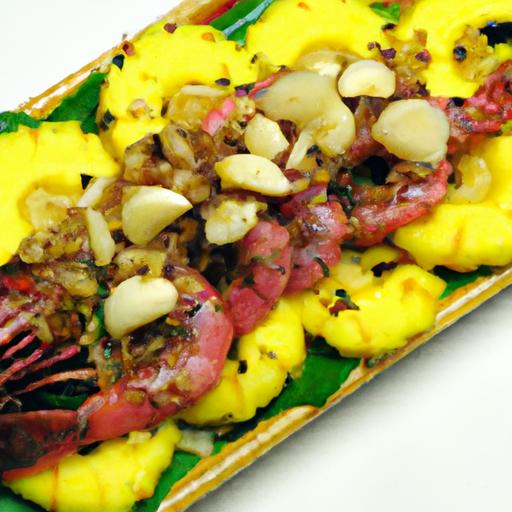



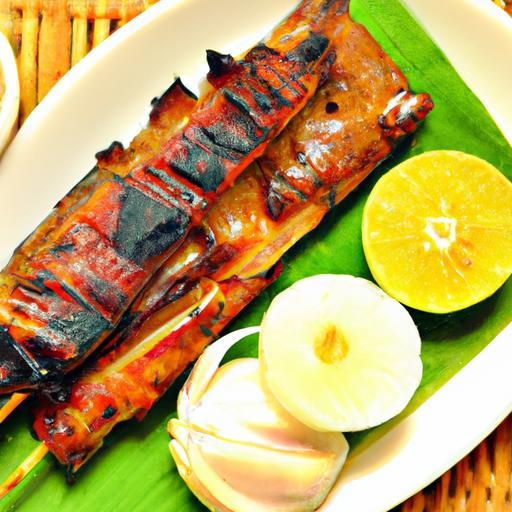
There’s a vibrant rhythm to the streets of the Philippines, where every corner bursts with sizzling sounds, fragrant aromas, and vibrant colors. filipino street food isn’t just a rapid bite-it’s a flavorful journey steeped in tradition,culture,and community. From the smoky sweetness of isaw grilled over charcoal to the irresistible crunch of kwek-kwek, these humble dishes tell stories of heritage with every mouthwatering bite. In this article, we invite you to savor the streets from your own kitchen with must-try Filipino street food recipes that capture the heart and soul of this beloved cuisine. Prepare your taste buds for an adventure that’s as rich and diverse as the streets themselves!
Savor the Streets: Filipino street food recipes invite you into a world where bold flavors and vibrant textures collide in an unforgettable culinary adventure. From the smoky aroma of isaw grilling over charcoal to the sweet allure of sticky sapin-sapin, these snacks and sweets tell stories of culture, community, and tradition rooted deep in the Philippines’ bustling streets. Each bite is a party of authenticity, uniquely crafted through essential ingredients that bring these beloved delicacies to life in your own kitchen.
Prep and Cook Time
- Prep Time: 15 minutes
- Cook Time: 25 minutes
- Total Time: 40 minutes
Yield
Serves 4-6 as a snack or appetizer
Difficulty Level
easy to Medium, perfect for adventurous home cooks and beginners eager to explore Filipino flavors
Essential Ingredients That Bring Authenticity to Each Bite
- Glutinous rice flour – the backbone of many sticky desserts like palitaw and sapin-sapin
- Coconut milk - rich and creamy, it adds the soulful depth found in bibingka and pusô
- Patis (fish sauce) – a savory umami boost essential for grilled skewers like isaw and kwek-kwek
- Calamansi – the native citrus that brings bright acidity, perfect for dipping sauces and marinades
- Banana leaf wrappers - impart a subtle aroma and keep food moist during steaming or grilling
- Quail eggs - iconic in snacks like kwek-kwek, adding texture and protein
- brown sugar - for the caramelized sweetness of treats like turon and banana cue
- Annatto oil – imparts vibrant color and mild peppery flavor to dishes such as kwek-kwek
Step-by-step Recipes for Iconic Street Snacks and Sweets
Classic Kwek-Kwek (Orange-Glazed Quail Eggs)
- Perfectly crispy and vividly orange, kwek-kwek is a crowd favorite that literally pops with texture and flavor.
Ingredients
- 12 quail eggs, hard-boiled and peeled
- 1 cup all-purpose flour
- 1/2 cup cornstarch
- 1 teaspoon baking powder
- 1/2 teaspoon salt
- 3/4 cup water
- 1 tablespoon annatto powder (for vibrant orange color)
- Vegetable oil, for deep frying
Instructions
- Prepare the eggs: Hard boil quail eggs by boiling for 5 minutes.Cool in ice water, then gently peel the shells.
- Make the batter: In a bowl, whisk together all-purpose flour, cornstarch, baking powder, and salt.Gradually add water and annatto powder, stirring until smooth and thick enough to coat the eggs.
- Heat oil: Warm vegetable oil in a deep pan over medium heat until it reaches 350°F (175°C).
- Dip and fry: Coat each egg in the batter, allowing excess to drip off. Carefully drop into hot oil and fry until crispy and golden orange, about 2-3 minutes.
- drain and serve: Remove eggs with a slotted spoon, drain on paper towels. Serve hot with spicy vinegar dipping sauce for authentic taste.
Tips for Perfecting Your Homemade Filipino Street Food Experience
- Maintain Oil Temperature: Keeping the oil at a consistent 350°F ensures the kwek-kwek batter crisps evenly without soaking excess oil.
- Use Fresh Annatto Powder: Fresh powder enhances color vibrancy and adds subtle earthy notes; if unavailable, a pinch of paprika can suffice.
- Control Batter Consistency: It should be thick enough to cling to eggs but not too dense – adjust water gradually.
- make-ahead Tip: Hard-boiled quail eggs can be peeled and stored in a sealed container in the fridge for up to 3 days, perfect for quick snack prep.
- Customize Dipping Sauces: Classic spiced vinegar blends vinegar, garlic, chili, and a touch of sugar-experiment to find your perfect balance.
Serving Suggestions
Present kwek-kwek skewered on bamboo sticks for street-style flair. Garnish with finely chopped green onions or crushed chicharrón (pork rinds) for extra texture. Serve alongside a small bowl of white vinegar infused with bird’s eye chili and minced garlic to add tang and heat,elevating the boldness of this iconic snack.
| Nutritional Info (per serving) | Calories | Protein | Carbs | Fat |
|---|---|---|---|---|
| Kwek-Kwek (3 eggs) | 180 | 8g | 18g | 8g |

If your culinary journey leads you to other vibrant Filipino street snacks-like banana cue or isaw grilled chicken intestines-remember that balancing authentic ingredients with your own flair will make the experience uniquely yours. Filipino street food recipes call for a blend of technique, passion, and community that transform humble ingredients into unforgettable bites.
Q&A
Q&A: Savor the Streets – Must-Try Filipino Street Food Recipes
Q1: What makes Filipino street food so special?
A1: Filipino street food is a vibrant tapestry of flavors, textures, and colors that captures the heart and soul of the philippines. It’s a tasty gateway to the country’s culture,blending indigenous ingredients with influences from Chinese,Spanish,and American culinary traditions.Each bite tells a story-whether it’s the smoky aroma of grilled meats, the sweet and salty kiss of sizzling pork, or the comforting warmth of freshly fried treats.
Q2: Which Filipino street foods are absolute must-tries for beginners?
A2: If you’re new to filipino street eats, start with iconic favorites like Isaw (grilled chicken or pork intestines), Kwek-Kwek (quail eggs coated in orange batter and deep-fried), Balut (fertilized duck egg for the adventurous), and Banana Cue (deep-fried caramelized bananas on skewers). For something heartier, try Taho (silky tofu with sweet syrup and tapioca pearls) or Fish balls dipped in spicy vinegar sauce. These dishes offer a perfect crash course in Filipino street food culture.
Q3: Can you share a simple recipe to recreate Filipino street food at home?
A3: Absolutely! Here’s a quick recipe for Chicken Isaw (grilled chicken intestines):
Ingredients:
- 500g chicken intestines, cleaned thoroughly
- 3 cloves garlic, minced
- 1/4 cup soy sauce
- 1/4 cup vinegar
- 2 tbsp brown sugar
- 1 tsp black pepper
- Bamboo skewers
Instructions:
- In a bowl, combine garlic, soy sauce, vinegar, brown sugar, and pepper to create a marinade.
- Add the cleaned chicken intestines and marinate for at least 2 hours, or overnight for deeper flavor.
- Thread the intestines onto skewers.
- Grill over medium heat, turning occasionally, until slightly charred and cooked through (about 10-15 minutes).
- Serve with a side of spicy vinegar dipping sauce.
Enjoy the smoky, tangy, and slightly sweet taste reminiscent of bustling street vendors!
Q4: Are Filipino street foods generally safe to eat for tourists?
A4: Yes, but with some caveats! The best street vendors keep a clean setup and fresh ingredients. Look for stalls crowded with locals-that’s often a good sign. When in doubt, opt for cooked or grilled items served hot. Popular foods like skewered meats, fried snacks, and fresh fruit juices are usually safe. Hydration is key-stick to bottled water or fresh coconut juice to avoid any tummy troubles.Q5: How do Filipino street foods reflect the country’s culture?
A5: Every street food stall is a microcosm of Filipino creativity, warmth, and communal spirit. The affordability and portability of these snacks reflect the Filipino value of bayanihan-working together and sharing with neighbors. These dishes are often enjoyed during festivals, family gatherings, or a quick break from work, embodying simplicity yet rich complexity.Sharing street food is sharing a slice of Filipino life, where taste buds meet history and tradition.
Q6: Can I find vegetarian Filipino street food options?
A6: Yes! While many Filipino street foods prominently feature meat, there are tasty vegetarian options too. Try Ukoy (crispy shrimp and vegetable fritters-you can omit shrimp), Banana Cue, Turon (fried banana rolls with caramelized sugar), and fresh fruit stands offering mangoes, pineapples, and coconut. Some stalls also sell Lumpiang Sariwa (fresh vegetable spring rolls with peanut sauce). It’s always worth asking the vendor to customize or recommend meat-free choices.Q7: What’s the best way to experience Filipino street food culture?
A7: Dive in during the golden hours-early morning for Taho vendors or late afternoon to evening when grills light up and food carts line the streets.Visit bustling markets, fiesta celebrations, or neighborhoods known for street food hubs such as Manila’s Quiapo, Cebu’s Larsian Grill, or Davao’s Bankerohan Market. Bring an open mind, a hearty appetite, and a willingness to explore flavors that balance sweet, sour, salty, and umami in every morsel. Don’t forget to savor not just the food, but the lively energy of the streets themselves!
Savor the streets, and let these Filipino street food recipes transport you to the bustling corners of Manila or the festive alleys of Cebu-where every bite is an adventure waiting to unfold.
Future Outlook
As you venture beyond the familiar and dive into the vibrant world of Filipino street food,you’ll discover more than just flavors-you’ll uncover stories,culture,and a rich culinary heritage sizzling right on the streets. These must-try recipes are your passport to experiencing the heart and soul of the Philippines, one bite at a time. So, whether you’re recreating these dishes in your own kitchen or hunting them down on a bustling corner somewhere, let each morsel transport you to sunlit streets filled with laughter, tradition, and irresistible aromas. Ready your taste buds-your Filipino food adventure has only just begun.