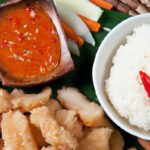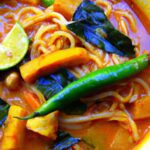


In the vibrant tapestry of Filipino cuisine, few dishes capture the warmth of tradition and the joy of celebration quite like pancit noodles. These savory strands are more than just a meal—they are a flavorful thread woven through generations, symbolizing good fortune, longevity, and togetherness. From bustling family gatherings to festive fiestas, pancit holds a special place at the table, inviting everyone to savor not only its delicious taste but also the rich cultural stories it carries. Join us as we explore the diverse, mouthwatering world of Filipino pancit noodles—where every bite is a journey into history, heritage, and heart. “`html
Savor Tradition: Exploring Delicious Filipino Pancit Noodles invites you on a flavorful journey into one of the Philippines’ most beloved culinary treasures. Pancit is more than just a noodle dish; it’s a vibrant symbol of Filipino heritage, hospitality, and celebration. Each region’s distinct take on pancit reflects local ingredients and cultural narratives that have evolved over centuries, making every bite a taste of history and community.
Origins and Cultural Significance of Filipino Pancit Noodles
Pancit noodles were introduced to the Philippines through Chinese trade and migration, dating back to the pre-colonial period. The word “pancit” itself derives from the Hokkien term pian i sit, meaning “something conveniently cooked fast.” Over time, these simple noodles were adapted with native flavors and ingredients, becoming an essential part of Filipino celebrations such as birthdays, fiestas, and family gatherings. The long, slender noodles symbolize longevity and good health, making pancit a dish filled with cultural meaning.
Distinct Regional Varieties and Their Unique Ingredients
From the sautéed, vermicelli Pancit Canton of Manila to the savory, noodle soup-based Pancit Molo in Iloilo, each region adds its own culinary fingerprint. In Pampanga, the “culinary capital of the Philippines,” Pancit Luglug is adorned with thick rice noodles and garnished richly with shrimp and boiled eggs. In contrast, Bataan’s Pancit Malabon emphasizes thick rice noodles drenched in a seafood-infused sauce, showcasing the region’s coastal abundance. These recipes highlight a diverse range of noodles—rice, egg, and even mung bean sprouts—each paired with distinct proteins like pork, chicken, or fresh seafood, and accentuated by bold garnishes such as crushed chicharrón, sliced green onions, and kalamansi zest.
Mastering the Art of Pancit Preparation at Home
Creating pancit noodles at home is both approachable and rewarding. Fresh or dried noodles are the foundation; selecting the right variety sets the stage. Begin by properly soaking or boiling your noodles to achieve that perfect springy texture without sticking. Using a hot wok, sauté the aromatics like garlic and onions to release their fragrances before adding proteins and vegetables which add color and texture. A masterful wok toss incorporating flavorful soy sauce, fish sauce, and a splash of broth ensures every strand of noodle is imbued with umami goodness. Stirring steadily yet gently prevents breakage, maintaining the noodles’ delicate integrity.
Top Restaurants and Hidden Gems to Experience Authentic Pancit
Exploring Filipino pancit noodles can also be a culinary adventure through restaurants and local eateries. Iconic establishments like “Eng Bee Tin” in Manila offer a modern take, while family-owned joints in small towns proudly serve time-honored recipes passed down through generations. For an immersive cultural experience, food markets in cities like Cebu and Davao present street-style pancit, showcasing authentic flavors and rustic charm. Remember to complement your visit by trying historical insights on pancit to deepen your appreciation of this beloved dish.
Prep and Cook Time
- Preparation: 15 minutes
- Cooking: 20 minutes
- Total Time: 35 minutes
Yield
Serves 4 generous portions
Difficulty Level
Medium – Perfect for adventurous home cooks eager to master authentic Filipino flavors
Ingredients
- 200g pancit bihon (rice vermicelli noodles), soaked in water for 10 minutes
- 2 tbsp vegetable oil
- 4 cloves garlic, minced
- 1 medium onion, thinly sliced
- 150g boneless chicken thighs, diced
- 100g shrimp, peeled and deveined
- 1 medium carrot, julienned
- 1 cup cabbage, shredded
- 1/2 cup snow peas, trimmed
- 3 tbsp soy sauce
- 1 tbsp fish sauce (patis)
- 1 1/2 cups chicken broth
- Black pepper, freshly ground, to taste
- Calamansi It looks like your ingredient list was cut off at “Calamansi”. Here’s a continuation and completion of the ingredient list along with a simple step-by-step recipe based on your content to help you prepare authentic Filipino Pancit Bihon at home:
Ingredients (continued):
-
- Calamansi (or substitute with lemon or lime), cut into wedges for serving
Simple Pancit Bihon Recipe
Instructions:
-
- Prepare the noodles: Soak 200g pancit bihon (rice vermicelli noodles) in water for about 10 minutes until softened. Drain and set aside.
-
- Cook the proteins: Heat 2 tablespoons vegetable oil in a wok or large skillet over medium-high heat. Sauté 4 cloves minced garlic and 1 thinly sliced medium onion until aromatic and translucent.
-
- Add 150g diced boneless chicken thighs and cook until lightly browned and cooked through.
-
- Add 100g peeled and deveined shrimp, stir until shrimp turns pink and is cooked (about 2-3 minutes).
-
- Add the vegetables: Toss in 1 julienned medium carrot, 1 cup shredded cabbage, and ½ cup trimmed snow peas. Sauté until vegetables are just tender but still crisp.
-
- Flavor the dish: Pour in 3 tablespoons soy sauce and 1 tablespoon fish sauce (patis). Stir well to combine.
-
- Add 1½ cups chicken broth and bring to a simmer.
-
- Add noodles: Add the drained noodles to the wok. Toss gently and continuously to ensure the noodles absorb the liquid and flavors, without breaking. Cook until the noodles are heated through and the broth has mostly evaporated.
-
- Season with freshly ground black pepper to taste.
-
- Serve: Transfer pancit to serving plates and garnish with calamansi wedges. Squeeze calamansi juice over the noodles before eating for a burst of freshness.
If you want me to help finish or format the recipe, nutritional info, or a shopping list, please let me know!
Q&A
Q&A: Savor Tradition – Exploring Delicious Filipino Pancit Noodles
Q1: What exactly is pancit, and why is it such a beloved dish in the Philippines?
A: Pancit is a collective term for various Filipino noodle dishes, each with its own unique regional twist. Rooted in Chinese culinary influence yet distinctly Filipino in character, pancit symbolizes celebration, family, and heritage. It’s a staple at birthdays, fiestas, and gatherings, embodying the Filipino value of togetherness and the hope for long life, as the long noodles represent longevity.Q2: How many types of pancit are there, and which ones are the most popular?
A: The world of pancit is wonderfully diverse, with over a dozen varieties frequently enjoyed across the Philippines. Some of the favorites include:- Pancit Canton: Stir-fried egg noodles with vegetables, meat, and soy sauce.
- Pancit Malabon: Thick rice noodles with a savory seafood sauce and toppings like shrimp and hard-boiled eggs.
- Pancit Palabok: Rice noodles drenched in a bright orange shrimp sauce, topped with crushed chicharrón, boiled eggs, and green onions.
- Pancit Bihon: Thin rice noodles stir-fried with pork, shrimp, and vegetables – light yet flavorful.
Q3: What ingredients make pancit uniquely Filipino compared to other Asian noodle dishes?
A: While pancit noodles have Chinese origins, Filipino pancit is uniquely flavored with native ingredients like calamansi (a tart citrus fruit), patis (fermented fish sauce), and local seafood. The use of crushed pork cracklings, tinapa (smoked fish), and sometimes even sweet liver sauce adds a distinct umami depth. The combination of bright, tangy, savory, and slightly sweet flavors captures the Filipino palate’s love for layered tastes.Q4: How is pancit typically served and enjoyed during celebrations?
A: Pancit is almost always a centerpiece during Filipino celebrations. It’s served hot and piled high, often shared family-style at the dining table or feast. Eating pancit is more than just savoring noodles; it’s about sharing stories, laughter, and wishing each other good health and prosperity. Its presence at events marks not just nourishment but cultural identity.Q5: Can pancit noodles be enjoyed beyond celebrations? How versatile is this dish?
A: Absolutely! Pancit transcends festive occasions and is a popular everyday meal. It’s quick to prepare, affordable, and adaptable—perfect for breakfast, lunch, or dinner. Whether enjoyed as street food, a homemade comfort meal, or a fusion with modern ingredients, pancit’s versatility makes it a delicious ambassador of Filipino tradition for all occasions.Q6: What role do noodles play in Filipino culture beyond the dish itself?
A: Noodles in Filipino culture are more than just food—they’re symbols. The long strands represent long life**, prosperity, and good fortune. Serving pancit at celebrations is a way for families to express their hopes and blessings for one another. It’s a culinary tradition that nurtures both body and spirit, connecting generations through a shared love of flavors and meaning.
Exploring pancit noodles means diving into a rich tapestry of flavor, history, and cultural significance. Whether you’re twirling those slippery strands at a Filipino feast or cooking up a simple pancit bihon at home, you’re savoring a tradition that’s as warm and inviting as the islands themselves.
In Conclusion
As the strands of Pancit noodles weave through the rich tapestry of Filipino culture, they tell a story far beyond their savory flavors. Each bite is a celebration of tradition, a nod to communal gatherings, and a delicious reminder of the country’s vibrant heritage. Whether enjoyed during festive occasions or simple family meals, Pancit remains a timeless dish that connects generations and invites everyone to savor the warmth of Filipino hospitality. So next time you twirl those noodles around your fork, remember—you’re tasting history, culture, and a recipe that has delighted palates for centuries. Truly, savoring Pancit is savoring the heart of the Philippines itself.
-