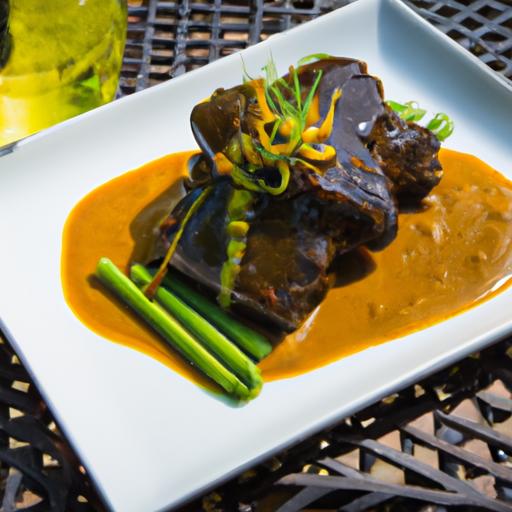




In teh lush landscapes of indonesia, where culinary tradition meets the rhythm of nature, lies an ancient craft that transforms humble soybeans into a culinary treasure: tempeh fermentation. This artful process, perfected over centuries, is more than just cooking-it’s an intricate dance of microbes, time, and technique that unlocks a powerhouse of flavor and nutrition. Join us as we delve into the engaging world of indonesian tempeh fermentation, uncovering the secrets behind its unique texture, tangy aroma, and enduring cultural significance. Whether you’re a food enthusiast or a curious kitchen alchemist, understanding this ancient fermentation ritual offers a gateway to appreciating tempeh not just as food, but as a living tradition.
unlocking the Art of Indonesian Tempeh Fermentation Process
Unlocking the art of indonesian tempeh fermentation process reveals not just a method of food preparation but a vibrant cultural legacy passed down through generations. Originating from Java,tempeh is more than fermented soybeans-it’s a celebration of microbial harmony,ancient wisdom,and culinary innovation. My first taste of freshly made tempeh, steamed and sliced, left an unforgettable impression; the firm yet tender texture and the subtle nutty depth spoke volumes about the magic happening at a microscopic level.
Prep and Cook Time
- Preparation: 20 minutes (plus overnight soaking)
- Fermentation: 24 to 48 hours
- Total Time: Approximately 2 days
Yield
- About 400 grams (14 oz) of fresh homemade tempeh
- Serves 4 as a main protein source or 6 as a side
Difficulty Level
- Medium - Requires patience and attention to fermentation environment
Ingredients
- 2 cups dried soybeans (preferably non-GMO, organic)
- 1 teaspoon white vinegar (to adjust pH)
- 1 teaspoon tempeh starter culture (Rhizopus oligosporus spores)
- Cheesecloth or perforated plastic bags (for fermentation)
Instructions
- Prepare the soybeans: Rinse dried soybeans thoroughly and soak in cold water for 12-16 hours to soften.
- Dehull the beans: Rub soaked beans gently between your hands to remove the hulls, then rinse thoroughly. This step is crucial to achieving the ideal tempeh texture.
- Cook the soybeans: Boil the dehulled beans for 30 minutes until they are tender but not mushy. Drain entirely and allow to cool until warm (not hot).
- Add vinegar: stir in 1 teaspoon of white vinegar to reduce pH, creating a favorable environment for fermentation while inhibiting unwanted bacteria.
- Inoculate with culture: Sprinkle the tempeh starter evenly over the beans and mix gently but thoroughly to distribute spores.
- Pack the beans: Transfer the inoculated soybeans into perforated plastic bags or wrap them in cheesecloth, spreading them into a flat 1-inch thick layer to promote even fermentation.
- Ferment: Place the packed beans in a warm environment (around 30°C or 86°F) for 24 to 48 hours. You’ll notice firm white mycelium binding the beans together as the tempeh develops.
- Check doneness: When the entire block is covered with thick white mold and holds together firmly, the fermentation is complete. Avoid over-fermentation to prevent bitterness or off-flavors.
Tips for Success
- Keep fermentation temperature steady between 86°F and 90°F using a fermentation box or incubator for consistent results.
- Dehulling soybeans reduces bitterness and allows the rhizopus mold to thrive on the bean’s surface, creating the characteristic chewy texture.
- Use fresh starter culture stored in a cool, dry place to ensure strong fermentation.
- If fermented tempeh develops black or pink spots, do not consume-this indicates contamination.
- To make a vegan-friendly starter, purchase pure Rhizopus oligosporus spores from reputable suppliers or local Indonesian markets.
Serving Suggestions
Tempeh’s firm yet tender texture and subtly earthy flavor make it incredibly versatile.Slice and pan-fry with a drizzle of coconut oil for a golden crust,then toss with sambal or soy-based glaze for traditional Indonesian flair.Alternatively, crumble and incorporate into stir-fries, salads, or grain bowls for a wholesome protein boost. garnish with thinly sliced scallions,toasted sesame seeds,or fresh cilantro to elevate both aroma and presentation.
| Nutrient | Per 100g |
|---|---|
| Calories | 192 kcal |
| Protein | 19 g |
| Carbohydrates | 9.4 g |
| Fat | 11 g |
Explore more Indonesian culinary treasures in our Indonesian Fermented Foods Collection. For further insights into microbial fermentation processes, visit the Science Daily fermentation research.

Q&A
Q&A: Unlocking the Art of Indonesian Tempeh Fermentation Process
Q1: What makes tempeh such a beloved staple in Indonesian cuisine?
A1: Tempeh is more than just a fermented soybean cake; it’s a cultural treasure packed with nutrition and tradition.Its unique nutty flavor, firm yet tender texture, and rich protein content make it a versatile ingredient-equally at home in street food stalls or gourmet kitchens. But what truly makes tempeh special is the ancient fermentation process that transforms humble soybeans into this culinary marvel.
Q2: How does the fermentation process unlock the magic of tempeh?
A2: Fermentation is the heart and soul of tempeh’s change.The process begins by soaking and dehulling soybeans, then cooking them until soft. Once cooled, the soybeans are inoculated with Rhizopus mold spores. This friendly fungus weaves a white mycelium throughout the beans, binding them into a dense cake over 24 to 48 hours. Fermentation not only enhances digestibility and taste but also enriches tempeh with probiotics and vitamins,making it a powerhouse of health benefits.
Q3: What are the key environmental factors that affect tempeh fermentation?
A3: Temperature, humidity, and time are the alchemists behind perfect tempeh. The ideal temperature range is about 30-32°C (86-90°F), where Rhizopus mold thrives and rapidly colonizes the beans. Too cold, and fermentation stalls; too hot, and unwanted microbes may spoil the batch. Maintaining moderate humidity helps foster an optimal environment. The delicate balance of these factors ensures tempeh develops that signature firm texture and fragrant aroma.
Q4: What makes Indonesian tempeh distinct from other fermented soy products?
A4: Unlike liquid soy-based products like soy sauce or miso, tempeh fermentation binds soybeans into a solid, cake-like form with a subtle earthy flavor. Indonesian tempeh also holds a deep cultural context-traditionally homemade,wrapped in banana leaves,and embraced as a daily protein source. the regional strains of Rhizopus and fermentation nuances further give Indonesian tempeh its characteristic taste and texture that few other fermented soy foods can replicate.
Q5: Can the fermentation process be tinkered with to create new tempeh varieties?
A5: Absolutely! Creative fermenters are experimenting with different substrates-such as black beans, chickpeas, or even grains-and varying fermentation times to diversify flavors and textures. Some add herbs or spices during fermentation to impart novel aromas. However, the essential magic remains in cultivating the right mold environment and timing, which unlocks the iconic tempeh character. It’s an art and science dance that keeps the tradition alive while inviting innovation.
Q6: How can home cooks start their own tempeh fermentation journey?
A6: Starting at home is surprisingly accessible. After soaking and cooking soybeans, spread them on clean banana leaves or perforated trays, then sprinkle tempeh starter culture evenly. Keep the beans warm and slightly humid in a cozy spot or a specialized incubator. Within two days, you’ll see white mycelium enveloping the beans-a sign that you’ve successfully unlocked the fermentation magic. From there, the real fun begins: cooking, savoring, and sharing homemade tempeh!
Q7: Why is understanding this fermentation process significant beyond cooking?
A7: Tempeh fermentation is a window into sustainable food practices-turning simple plant proteins into highly nutritious, shelf-stable foods with minimal waste. It highlights the power of microorganisms in enhancing food quality and health. Moreover, embracing and preserving such traditional fermentation methods nurtures cultural heritage and promotes biodiversity. Unlocking tempeh’s fermentation secrets enriches both our kitchens and our gratitude for nature’s microscopic artisans.
To Wrap It Up
As we wrap up our journey into the captivating world of Indonesian tempeh fermentation, it’s clear that this ancient art is much more than a simple culinary technique-it’s a harmonious dance between nature and craftsmanship. Unlocking the secrets behind the meticulous process reveals not only the transformation of humble soybeans into a rich, protein-packed delicacy but also a vibrant cultural heritage that has nourished communities for centuries. Embracing the nuances of fermentation invites us to appreciate the patience, environment, and microbial magic that come together to create tempeh’s unique texture and flavor.Whether you’re a curious foodie,a fermentation enthusiast,or a cultural explorer,understanding tempeh’s roots opens a doorway to one of Indonesia’s most treasured traditional foods-proving once again that sometimes,the best flavors come from the smallest microbes and the wisest hands.