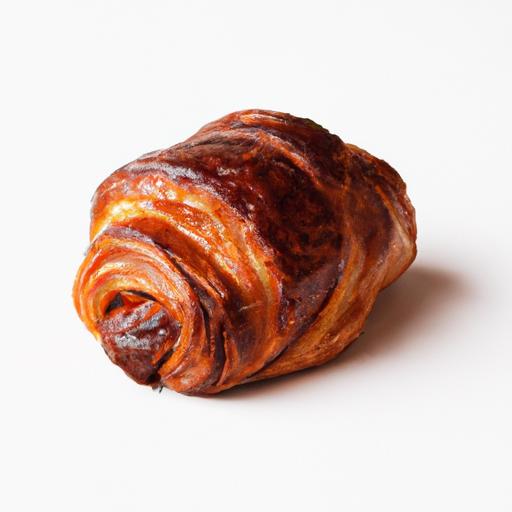



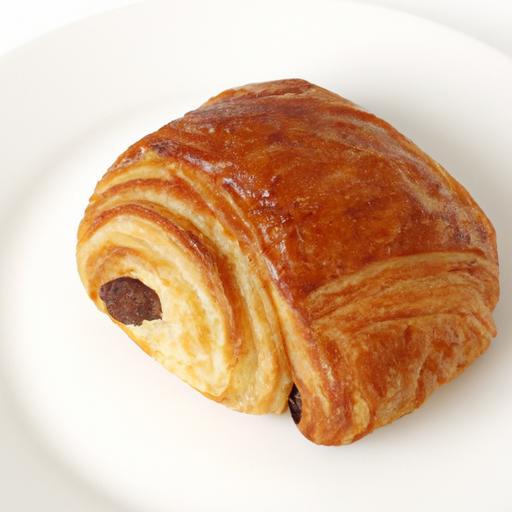
Few pleasures rival the flaky, buttery embrace of a perfectly baked pain au chocolat- that golden crescent of chocolate-filled delight that whispers of Parisian cafés and slow, indulgent mornings. But mastering this iconic French pastry at home can feel like an elusive art, a dance between precise technique and patient craftsmanship. In this step-by-step guide, we’ll unravel the secrets behind creating pain au chocolat that boasts layers of crisp, tender dough encasing pools of melting chocolate. Whether you’re a novice baker or a seasoned pastry enthusiast, prepare to embark on a delicious journey that transforms simple ingredients into a symphony of texture and flavor, right in yoru own kitchen.
Mastering pain au Chocolat begins with understanding the delicate dance of laminated dough that gives these pastries their iconic, flaky layers. This French classic marries buttery pastry with rich chocolate, inviting you to savor craft and indulgence in each bite. Drawing from customary techniques and quality ingredients, you’ll unlock the artistry behind every fold, roll, and golden bake to achieve that perfectly crispy finish so irresistibly satisfying.
Prep and Cook Time
- Preparation: 30 minutes (plus 6-8 hours chilling and resting)
- Cooking: 20-25 minutes
Yield
- 8 classic Pain au Chocolat pastries
Difficulty Level
- advanced – requires patience and precision, ideal for eager home bakers and pros alike
ingredients
- 2 ¼ teaspoons (1 packet) active dry yeast
- ¼ cup warm whole milk (about 110°F / 43°C)
- 3 ½ cups (440g) all-purpose flour, sifted
- 2 tablespoons granulated sugar
- 1 ½ teaspoons fine sea salt
- 1 cup (225g) unsalted butter, cold and cut into slabs (for laminating)
- ¾ cup (180ml) cold water
- 8 sticks of high-quality dark chocolate (preferably 55-65% cocoa)
- 1 egg (for egg wash)
- 1 tablespoon whole milk (for egg wash)
Instructions
- Activate the yeast: In a small bowl, combine warm milk, yeast, and a pinch of sugar. Let it bloom for 5-7 minutes until foamy.
- Mix the dough: In a mixing bowl, whisk together flour, sugar, and salt. Add the activated yeast mixture and cold water. Mix until a rough dough forms. Knead lightly just until smooth and elastic. Wrap in plastic and refrigerate for at least 1 hour.
- Prepare the butter block: Place cold butter between parchment sheets and use a rolling pin to shape into a 7×7 inch square. Chill until firm but pliable, about 20 minutes.
- Initial dough roll-out: On a floured surface, roll your dough into a 10×10 inch square. Place the butter block diagonally in the center of the dough. Fold each corner over to meet in the center, enclosing the butter completely.
- Lamination process: Roll the dough into a 20×10 inch rectangle, keeping even thickness. Fold the dough into thirds (letter fold). Rotate 90 degrees and repeat the roll and fold process two more times, chilling for 30 minutes between folds to keep butter cold.
- Rest the dough: After the final fold, refrigerate for at least 4 hours or overnight.This resting is crucial to prevent shrinking and encourage flaky layering.
- Shape the Pain au Chocolat: Roll the rested dough into a 16×12 inch rectangle. Cut into 8 equal squares. Place one chocolate stick near the edge of each square. Roll tightly, encasing the chocolate; place seam side down on a parchment-lined baking tray.
- Proof the pastries: Cover loosely with a damp tea towel and let rise at room temperature until slightly puffed and soft, about 1.5 to 2 hours.
- Prepare egg wash: Beat together egg and milk. Gently brush the tops of the pastries without deflating.
- Bake: Preheat oven to 400°F (200°C). Bake pastries for 15 minutes, then reduce heat to 375°F (190°C) and bake another 7-10 minutes or until golden brown and crisp on top.
- Cool and serve: Let cool on wire racks for 10 minutes before serving to allow layers to set and chocolate to slightly firm up.
Tips for Success: Unlocking the Secrets of Perfect Layers and Flavor
- butter quality: Using European-style butter with higher fat content enhances flakiness and richness dramatically.
- Chocolate selection: Choose bars specifically meant for baking-dark chocolate with 55-65% cocoa provides the best balance of sweetness and bitterness for authenticity.
- Temperature control: keep dough and butter cold but pliable during laminating to maintain distinct layers.
- Slow proofing: For best flavor depth, proof pain au chocolat overnight in the fridge, then bake straight from chilled.
- Egg wash finesse: Lightly brushing preserves shine without causing uneven browning or sogginess.
- Troubleshooting: If dough feels too sticky during rolling, chill for 10-15 minutes to firm up; if butter breaks through dough, it’s too soft or warm-chill longer.
Serving Suggestions
Serve warm with a light dusting of powdered sugar or alongside a small dish of crème fraîche. Pair your pain au chocolat with freshly brewed café au lait or a fruity herbal tea to complement the buttery richness and bittersweet chocolate. For an elegant brunch, arrange with fresh berries and a dollop of crème Chantilly.A sprinkle of flaky sea salt over the top enhances the chocolate’s complexity beautifully.

| Nutrient | Per Serving (1 pastry) |
|---|---|
| Calories | 320 |
| protein | 5g |
| Carbohydrates | 35g |
| Fat | 18g |
For a deeper dive into laminated dough techniques, explore our All-butter Croissant Guide. Also, learn more about chocolate varieties and pairing tips at The Chocolate Association.
Q&A
Q&A: Mastering Pain au Chocolat – A step-by-Step Recipe Guide
Q1: What makes Pain au Chocolat different from a regular croissant?
A1: while both Pain au Chocolat and croissants share the same flaky, buttery laminated dough, Pain au Chocolat is uniquely filled with rich, dark chocolate sticks. This chocolaty surprise is what sets it apart and turns a simple pastry into a decadent treat that’s both crisp and gooey.
Q2: Why is laminating the dough so critically important in this recipe?
A2: Laminating creates those iconic layers of pastry that Puff up beautifully during baking. By folding butter into the dough multiple times, you trap air and create thin, alternating layers of dough and butter. When baked, steam expands these layers, giving Pain au Chocolat its signature lightness and crunch.
Q3: What type of chocolate is best for pain au chocolat?
A3: Traditionally, stick-shaped batons of dark or bittersweet chocolate are used, as they melt perfectly without becoming too runny. you can also use high-quality chocolate chips or bars cut into thin strips. avoid milk chocolate if you want that authentic, slightly intense flavor contrast with the buttery dough.
Q4: How do I keep my butter from melting into the dough during laminating?
A4: temperature control is key. Both your dough and butter slab shoudl be cold but pliable. Chill between folds to prevent the butter from melting into the dough, which would ruin those layers. Working quickly and in a cool habitat helps maintain the perfect texture.
Q5: Can I make Pain au Chocolat ahead of time?
A5: Absolutely! You can prepare the shaped pastries and refrigerate them overnight to allow a slow, cold proof. Alternatively, freeze unbaked Pain au Chocolat and bake fresh straight from the freezer, adding a few extra minutes to the baking time.This is a great way to enjoy freshly baked pastries on demand.
Q6: what common mistakes should I avoid when making Pain au Chocolat?
A6: The biggest pitfalls include using warm ingredients,rushing the laminating process,and not allowing the dough to rest properly. These can lead to tough, dense pastries instead of flaky, airy ones. Also, be careful not to overfill with chocolate, as this can cause leakage during baking.
Q7: What’s the best way to enjoy Pain au Chocolat?
A7: Served warm, fresh out of the oven, Pain au Chocolat is an indulgent breakfast or afternoon delight. Pair it with a strong coffee, a cup of steaming hot chocolate, or simply savor it solo to let the buttery pastry and melted chocolate truly shine.
Q8: Is it possible to make a vegan version of Pain au Chocolat?
A8: Yes! Substitute butter with high-quality vegan margarine specially designed for laminating dough, and use dairy-free dark chocolate.Although the texture may slightly differ, you can still achieve a beautifully layered and sumptuous vegan Pain au Chocolat.Q9: How long does it take to make Pain au Chocolat from scratch?
A9: Patience is part of the craft – expect to spend around 3 to 4 hours, including resting and chilling times for the dough and laminations. It’s a labor of love, but the end result is worth every minute invested!
Q10: Can I experiment with fillings other than chocolate?
A10: Definitely! Even though chocolate is classic, you can get creative with almond paste, fruit preserves, or even savory fillings like ham and cheese. Just remember that the traditional laminated dough works best with fillings that won’t overly moisten the pastry during baking.
Closing Remarks
With each buttery, flaky layer and that rich, molten ribbon of chocolate, mastering the art of Pain au Chocolat is more than just baking-it’s a delightful journey into the heart of French pastry craftsmanship. Armed with this step-by-step guide, you’re now ready to transform simple ingredients into exquisite treats that bring a touch of Parisian magic to your kitchen. So, don your apron, embrace the rhythm of dough and chocolate, and let every bite remind you that mastering Pain au Chocolat is as much about patience and passion as it is about technique. Bon appétit!